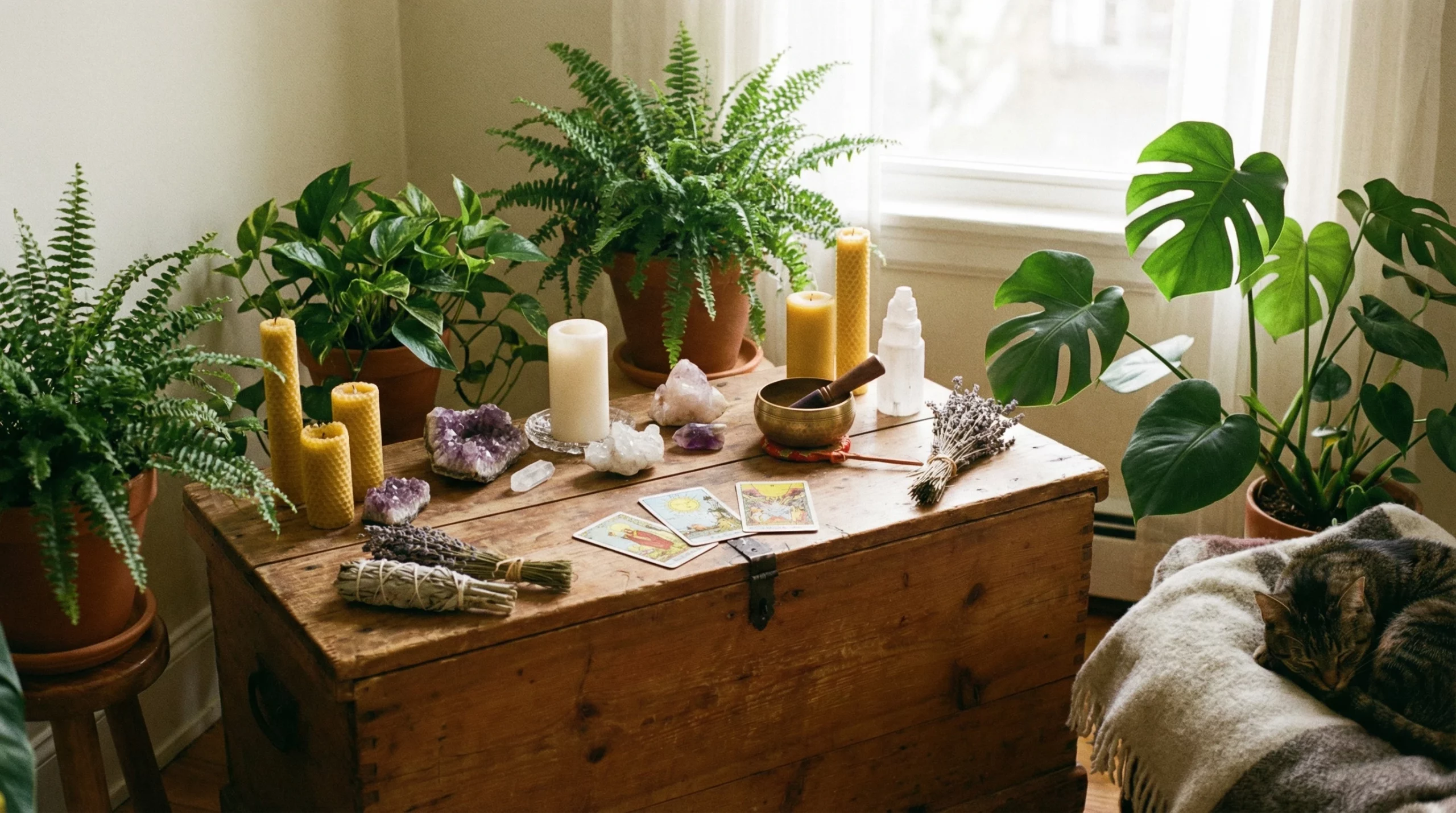
Building a healing altar at home feels pretty powerful, especially if you’ve reached a point where you want a dedicated spot for self-reflection or emotional harmony. A healing altar isn’t just about putting pretty objects together; it’s a physical space carved out for intention, comfort, and personal ritual. This all-in-one guide covers everything you need to know to create an altar that fits you, from picking the best spot to choosing crystals, candles, herbs, and colors that mean something to you. Setting up this space can be a meaningful way to nurture yourself and foster mindfulness in your daily routine.
Finding the Right Spot for Your Healing Altar
The first move in setting up a healing altar is picking a space that feels just right to you. Some folks choose a corner of their bedroom, a shelf in their living room, or even a quiet nook by a window. Personal connection with the space matters more than size or location. You’re looking for somewhere you can visit easily, where the energy feels calm and you won’t be disturbed.
Daylight is a bonus, but it isn’t necessary. If you live with others, you might want a spot that gives you a bit of privacy. When I created my first altar, I started with a small side table near my bookshelf. It was out of direct traffic, but still easy to reach. Over time, just walking by that spot would remind me to take a breath and check in with myself.
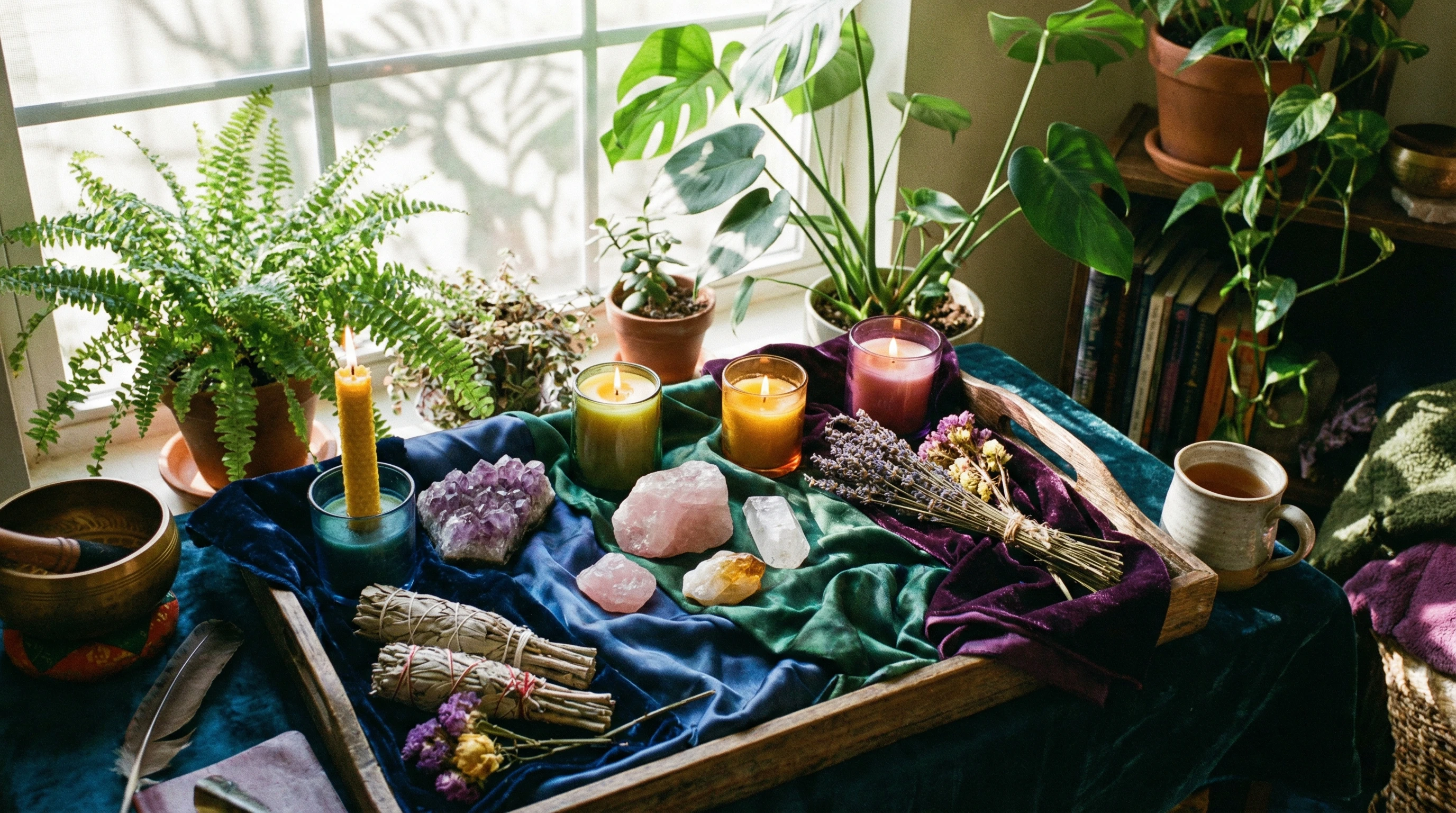
Don’t feel pressured to use a large table; even a windowsill or a discreet tray on a dresser will do the trick. What matters is the intention behind the spot you pick and how it supports your rituals.
Choosing Your Healing Altar Items
What you put on your healing altar should feel personal and meaningful. For some, this means using objects with spiritual or ancestral importance. For others, it’s more about items that evoke a sense of peace or grounding. Most healing altars feature a mix of crystals, candles, herbs, and sometimes photos or handwritten notes. Here are some options worth considering:
- Crystals: These have long been known for their soothing vibes. Amethyst is popular for calming energy; rose quartz is all about self-love and heart healing. Clear quartz is pretty versatile and often used for clarity.
- Candles: Lighting a candle is a classic way to signal the start of a ritual or meditation. People use white candles for peace, pink for love, and blue to encourage calm. The simple action of lighting a candle can help set your intention for the moment.
- Herbs: Adding herbs like lavender, sage, and rosemary does double duty, smelling great and providing ancient connections to healing. You can bundle herbs, keep them in a small bowl, or even place them under your candles.
- Other Items: Feathers for air, small bowls of salt for earth, water in a glass, shells, or meaningful stones all find their way to altars. Pictures of loved ones or affirmations on slips of paper are also meaningful additions.
Arranging these items doesn’t need to be complicated. Place them with attention and intention. Some people like grouping items by element (earth, air, fire, water) or by what they want to focus on, while others just let things fall into a comfortable order. Listen to what feels right for you. Over time, you might move things around and freshen up your altar as your intentions or needs change.
Crystals and Their Healing Vibes
Crystals feel right at home on any healing altar. They are believed by many to hold energy that can help switch up your mood or support whatever you’re currently moving through. Here’s a quick rundown of some crystals you might want to check out:
- Amethyst: Well known for calm and emotional healing.
- Rose Quartz: Good for gentleness and nurturing self-love.
- Clear Quartz: Super versatile for clarity and amping up other stones’ energy.
- Black Tourmaline: Handy for protection and grounding.
- Citrine: Brightens any mood, often tied to abundance.
When picking your stones, let your intuition guide you. Sometimes a rock just catches your eye at a shop, while other times a small pebble you find on a walk carries the energy you want. Placing them mindfully on your altar, maybe surrounding a candle or grouped together in a bowl, gives them a home base for your rituals or daily check-ins. Try holding a crystal in your hand while focusing on a goal or wish, as this can heighten your sense of connection.
Lighting the Way: Using Candles
Candles are classic for a reason. There’s something soothing about watching a gentle flame. On a healing altar, candles aren’t just decoration. They help set a mood, bring warmth, and can even be used to focus intentions. The flicker of a candle can provide comfort and help you tune in to the moment, whether you’re meditating or simply taking a few deep breaths.
- White candles work for peace and clarity.
- Pink or red candles are good for self-love and healing the heart.
- Blue candles bring a calming vibe, great when you feel anxious.
- Green candles can be used for growth and renewal.
You can light a candle at the start of your day, when you meditate, or even when you just need a moment alone. For safety, I always recommend keeping a close eye on burning candles and using flameless LED ones if you live in a dorm or worry about open flames. If you prefer using scented candles, choose gentle fragrances that help you feel grounded, relaxed, or inspired.
Herbs: Nature’s Healing Helpers
Herbs have a super long history in rituals around the world. On a healing altar, they connect you to the natural world and to centuries of people who’ve looked to plants for comfort and support. Here are a few herbs you might want to try:
- Lavender: Well loved for relaxation and calming the mind.
- Sage: Often used for cleansing or clearing out heavy energy.
- Rosemary: Tied to memory and protection.
- Basil: Known for blessings and a little dose of prosperity.
You can place a few sprigs on your altar, hang bundles nearby, or use dried herbs in a small dish. For extra benefits, some folks burn sage or lavender as incense, as long as you don’t mind a bit of smoke. Essential oils are another way to bring these botanical allies into your rituals, either by diffusing them in the space or dabbing a couple drops on your altar cloth.
How Color Ties You to Your Altar
Color can set the whole mood for your altar and pump up your connection to it. Everyone has certain shades that make them feel a little more at peace or inspired. There are traditional associations, such as blue for calm or green for healing, but you get to pick what clicks for you.
- White: Purity, fresh starts, and openness.
- Pink: Love, compassion, and gentle energy.
- Purple: Spirituality, intuition, and deep healing.
- Green: Growth, health, and renewal.
- Yellow: Happiness and optimism.
You can bring color in with cloths, candles, artwork, or even the bowls you choose. Arranging items by color or layering different textures creates a vibe you’ll want to return to again and again. Experiment with seasonal color changes or patterns—like fresh flowers in spring or warmer tones in fall—to keep your space feeling alive.
Things to Consider Before Building Your Healing Altar
Making a healing altar isn’t about following strict rules. Still, there are a few things worth keeping in mind:
- Space and Accessibility: Try to pick a location you can reach any time you need. If space is tight, even a windowsill or small tray does the trick.
- Personal Connection: Only include items that mean something to you. There’s no sense adding crystals just because they’re popular if you don’t feel drawn to them.
- Maintenance: Keeping your altar clean helps it remain a fresh, inviting place. Dust it off, swap candles, or rearrange things to reflect new intentions as your mood or needs switch up.
- Scent and Sound: Some people add incense or small bells and chimes to layer the senses. Try a gentle background playlist if it helps you settle in.
Space and Accessibility
Your altar should work with your daily life, not against it. If you’re worried about pets or small kids, keep candles or breakable objects up higher or out of reach. If you travel or don’t have a permanent space, a “traveling altar” in a bag or box is a good way to hold onto your practice wherever you are. Try using a sturdy box, decorated tin, or even a zip pouch filled with pocket-sized items and a small cloth.
Personal Connection and Intuition
This space is about what lifts you up or helps you ground. Trust your feelings about each choice. Sometimes I find myself updating my altar after a tough week or adding something new when something great happens. This keeps the altar feeling alive and genuinely personal. You can also write letters to yourself, gratitude notes, or affirmations and keep them tucked into a small jar or envelope near your altar for an extra personal boost.
Bonus Tips for a Healing Ritual
After you’ve set up your altar, you might be wondering how to actually use it. Here are some ideas to get you going:
- Sit quietly by your altar to meditate or take deep breaths.
- Light a candle to mark the end of your day or to start something new.
- Hold your favorite crystal and set an intention for the week ahead.
- Change out herbs and colors with the seasons to keep things fresh.
- Place a new affirmation or gratitude note every week.
Rituals don’t have to be complicated to help you feel more connected to yourself and your space. Just visiting your altar for a few moments a day can be a really comforting habit. Over time, you may stumble upon new rituals that feel natural, like writing dreams in a journal or simply enjoying the peaceful vibe you’ve set up for yourself.
Frequently Asked Questions
These are a few questions I hear pretty often about healing altars:
What if I don’t have fancy crystals or special items?
Anything meaningful to you can belong on your altar. That might include a stone from your yard, a favorite piece of jewelry, or a simple candle from the grocery store. Personal energy matters more than price or origin.
Do I have to set up my altar in a certain direction?
Some traditions like to face their altar toward the east or another special direction, but this is totally optional. Face it any way that feels right in your space. You can always adjust it later as your preferences shift.
How often should I maintain or change my altar?
There’s no perfect frequency, so do what feels comfortable. Some folks update their altars with new intentions every month, while others leave them mostly the same all year. If your altar feels stale, switch out a few items or rearrange things to refresh the energy.
Making Your Healing Altar a Regular Part of Life
Creating a healing altar brings a sense of sacredness and focus to the every day. It’s a spot for pausing, recharging, and tuning into what matters. Whether you use it mainly for meditation, journaling, or just as a reminder to breathe, a well-loved altar can become a comforting anchor over time. Try different layouts, objects, and rituals to see what feels right for you. The process itself can be healing, and that’s what matters most. Your altar is always a work in progress, evolving as you do. Keep exploring and make it your own comfy corner for reflection and peace.